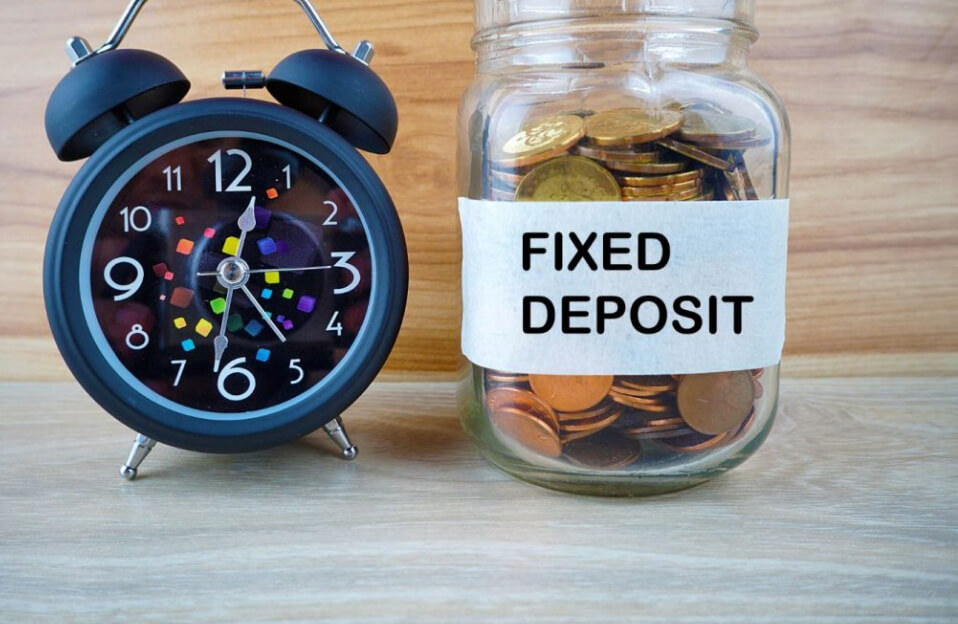
A bank fixed deposit (FD) is one of the simplest and safest ways to grow your savings. You invest a lump sum for a fixed period at a fixed interest rate, and the bank guarantees you a return at maturity. There’s no market risk, no complicated terms, and your money earns steady interest.
But while an FD might seem straightforward, a few smart decisions can help you earn better returns, avoid unnecessary taxes, and use your money more efficiently. Here are some practical tips to help you make the most of your fixed deposits.
1. Compare FD Rates Before You Invest
Interest rates on FDs vary across banks and even across different tenures. Public sector banks often offer lower rates compared to private or small finance banks. Before you lock in your money, compare the latest FD rates online.
Even a small difference of 0.5% in the rate can make a noticeable difference over time. For example, if you invest ₹5 lakh for five years, the difference between 6.5% and 7% interest could mean several thousand rupees more in returns.
Also, check if the bank offers higher rates for senior citizens — most do, typically adding 0.25% to 0.75% more.
2. Choose the Right Tenure
FDs come with tenures ranging from a few days to 10 years. The interest rate usually changes depending on how long you lock in your money. Longer tenure doesn’t always mean higher returns — rates depend on market conditions and the Reserve Bank of India’s policies.
If you’re not sure when you’ll need the money, avoid locking it away for too long. Choose shorter durations or consider a laddering strategy — investing in multiple FDs with different maturities. For instance, instead of one ₹3 lakh FD for three years, you could create three FDs of ₹1 lakh each maturing in one, two, and three years. As each one matures, you can reinvest it at the latest rate. This way, you maintain liquidity and benefit from changing interest rates.
3. Understand the Type of FD
There are different types of fixed deposits, and choosing the right one matters.
Cumulative FD: Interest is compounded quarterly or annually and paid at maturity. Ideal if you don’t need regular income and want to maximize returns.
Non-cumulative FD: Interest is paid monthly, quarterly, or annually. Best for retirees or those seeking steady income.
Tax-saving FD: Offers tax deduction under Section 80C (up to ₹1.5 lakh), but has a lock-in period of five years. You can’t withdraw early.
Pick the type that aligns with your goals — steady cash flow, long-term saving, or tax benefit.
4. Don’t Ignore the Tax Angle
While FDs are safe, they’re not tax-free. The interest you earn is fully taxable under “Income from Other Sources.” If your total interest in a financial year exceeds ₹40,000 (₹50,000 for senior citizens), the bank will deduct TDS (Tax Deducted at Source) at 10%.
To avoid surprises, check if TDS applies to you and declare the interest in your income tax return. If your income is below the taxable limit, submit Form 15G or 15H to your bank to stop TDS deduction.
Also, remember: tax-saving FDs give you a deduction on the invested amount, not on the interest earned.
5. Avoid Premature Withdrawal
Withdrawing an FD before maturity usually attracts a penalty, often around 0.5% to 1% of the interest rate. This can eat into your returns.
If you think you might need access to the funds, consider breaking your investment into smaller FDs instead of one big deposit. That way, if you need cash, you can close just one FD and keep the others intact.
Alternatively, some banks offer FDs with sweep-in or overdraft facilities, where you can withdraw money from your FD-linked savings account when needed, without breaking the entire deposit.
6. Reinvest Wisely at Maturity
When your FD matures, don’t let the money just sit idle in your savings account earning lower interest. Review current FD rates and reinvest immediately if you don’t need the funds.
Many banks offer auto-renewal, but it’s better to check rates before renewing — they might have changed since you first invested. Sometimes switching to another bank or a shorter tenure can give you better returns.
7. Check the Bank’s Credibility
FDs are relatively low-risk, but they’re not completely risk-free. The Deposit Insurance and Credit Guarantee Corporation (DICGC) insures your deposits up to ₹5 lakh per bank (including both principal and interest).
If you have more than ₹5 lakh to invest, spread it across different banks to stay within the insurance limit. This is especially important when investing in smaller banks or cooperative banks, which might offer higher rates but carry slightly higher risk.
8. Keep an Eye on Inflation
FDs offer fixed returns, but inflation can quietly reduce your real earnings. For example, if your FD earns 7% but inflation is around 6%, your actual gain is only 1%.
To balance safety and growth, you might consider combining FDs with other investments like mutual funds or government bonds that can offer higher inflation-adjusted returns over time.
9. Maintain Proper Records
Keep track of all your FD receipts, maturity dates, and interest credits. Set reminders for renewal or withdrawal so you don’t miss deadlines or lose interest. Some banks automatically renew FDs if you don’t act on time — but that might not always be at the best rate.
Conclusion
Fixed deposits remain a reliable and convenient investment option, especially for conservative investors and retirees. They protect your capital, offer predictable returns, and require minimal effort to manage.
But to make the most of them, treat FDs as part of your broader financial plan. Compare rates, choose the right tenure, stay mindful of taxes, and reinvest smartly. With these small but important steps, your FDs can become a steady and efficient part of your financial growth.

Be First to Comment